


Event News
Discover the culture and commercial potential behind equestrianism
From aristocratic riding habits to contemporary fashion, equestrianism has not only transformed people’s lifestyles, but also quietly shaped the course of fashion history.
When we talk about fashion, what comes to mind may be Paris Fashion Week, luxury houses, haute couture and trending styles.
Yet have you ever wondered that some fashion staples still popular today first appeared on horseback centuries ago?
Tailored riding coats, tall riding boots, jodhpurs and leather accessories… These designs balancing functionality and aesthetics carry deep imprints of equestrian culture.
The bond between equestrianism and fashion runs far deeper than we might think.
1. The Birth of Riding Habits
Throughout European history, horse riding was long intertwined with aristocratic life, military activities and hunting traditions.
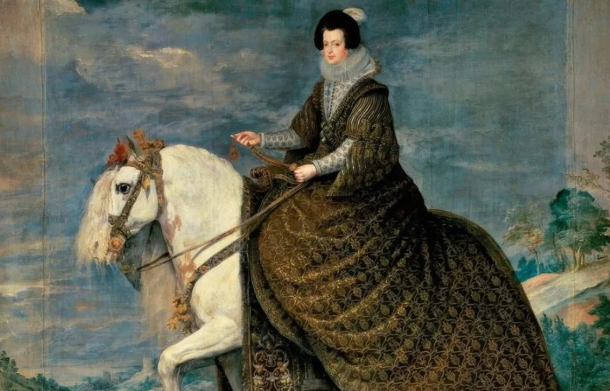
Especially in the French court of the 17th century, horse riding was more than an activity — it was a social ritual that signified status, etiquette and a way of life.
Riding attire gradually developed its own distinct style. To suit the needs of riding, garments featured structured coats, tall boots and flexible bottoms for ease of movement.
2. From the Stable to the Runway: Timeless Staples
① Riding Boots
Originally designed for riding, tall riding boots reduce friction between the rider’s legs and the saddle while offering protection.
Over time, they evolved from professional gear into everyday fashion.
Paired with skirts, trousers or overcoats alike, their sleek silhouette has become an enduring styling statement.
② Riding Jacket
Defined by sharp shoulders, a fitted waist, clean lapels and architectural tailoring, the riding jacket stands out for its structured cut.
This focus on fit and proportion heavily influenced the aesthetics of modern suits and blazers.
③ Jodhpurs
Jodhpurs prioritize comfort and freedom of movement while riding.
Originating in India, they were brought to Europe by British riders in the late 19th century and later became a core piece of modern equestrian apparel.
Their distinctive silhouette features a roomy seat and thigh, tapering down toward the ankle.
3. Hermès Started as a Harness-Making Workshop
Today, when people hear the name Hermès, they may first think of its iconic leather goods, silk scarves and high fashion.
Yet the story of Hermès began with horses.
In 1837, founder Thierry Hermès opened a harness workshop in Paris, initially specialising in saddles, harnesses and other horse tack.
As transportation and society evolved, Hermès expanded its product range. Still, the leather craftsmanship, rigorous standards and equestrian heritage forged in its early days remain central to the brand’s identity.
Hermès’ journey from a harness atelier to a global luxury powerhouse illustrates that:
Equestrianism is more than a sport. It can serve as the foundation for a brand, a craft, and even an entire fashion industry.
The relationship between equestrianism and fashion is never merely superficial borrowing of design elements. It is a long-standing cultural exchange and industrial interplay.
CHF serves as a key gateway to observe this industrial ecosystem.
Here, we focus not only on equestrian culture, but also on products, technologies and business opportunities across the whole equine industry chain.
From the design of riding apparel to the manufacture of professional horse tack; from equine health management to stable facilities and supporting services, every niche segment holds room for industrial growth.
To revisit the ties between equestrianism and fashion is to rediscover the cultural value and commercial potential of the equine industry.
From horseback to the runway, from traditional craftsmanship to modern industry.
The story of equestrianism continues.
Contact Person: Sophiay Yang
WeChat: lom517
Email: sophiayang@horsefair.com.cn